
How Do Police Test for Drug-Impaired Driving in Buffalo?
How Do Police Test for Drug-Impaired Driving in Buffalo?
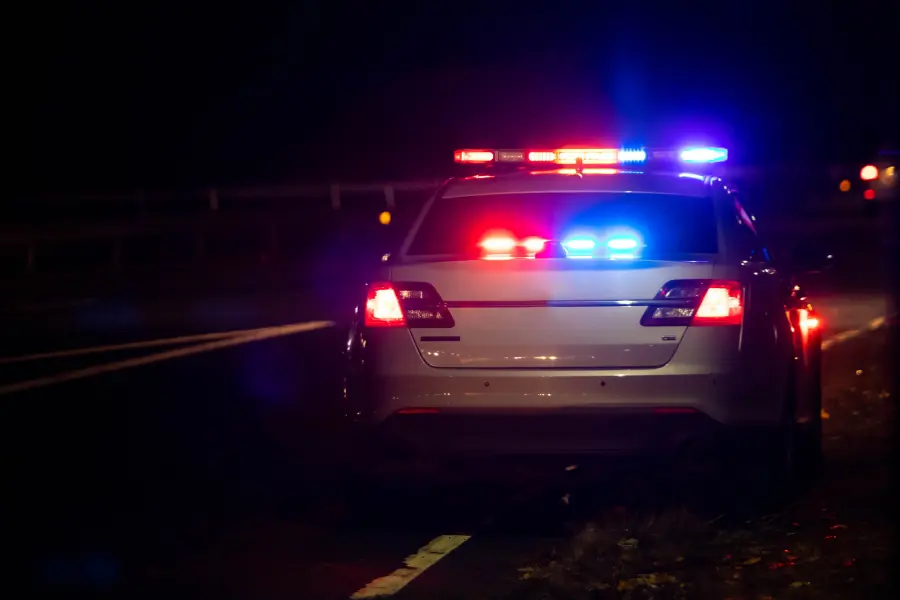
Police test for drug-impaired driving in Buffalo through a chain of steps. They watch your driving, give roadside tests, and may call in a drug recognition expert for a detailed evaluation. They may then ask for blood, urine, or saliva. No single test measures drug impairment the way a breath test estimates alcohol.
At Trbovich Law Firm, our Buffalo DWI defense attorneys represent drivers charged with driving while ability impaired by drugs. Our team handles these cases across Erie County, Niagara County, and Western New York. Charged after a drug evaluation? Our Buffalo DWAI drug defense attorneys can review every test used against you.
What Is the Charge for Drug-Impaired Driving in New York?
In New York, drug-impaired driving is charged as driving while ability impaired by drugs, often called DWAI drugs. It means the prosecutor claims a drug affected your ability to drive. A separate charge covers a mix of drugs and alcohol. Both are criminal charges, not simple traffic tickets, and both can affect your license.
Unlike alcohol cases, New York has no set number that proves drug impairment. There is no drug version of the 0.08 breath test limit. That means the prosecutor must prove impairment through what officers saw, what tests showed, and how the two fit together.
That gap is why the testing process matters so much. Each step creates evidence. Each step can also contain mistakes our Buffalo DWI defense attorneys look for.
What Roadside Tests Do Buffalo Police Use When They Suspect Drug-Impaired Driving?
Buffalo police usually start with the same roadside tests used in alcohol cases. These are the standardized field sobriety tests, which check eye movement, balance, and the ability to follow directions. Officers may also use a portable breath test. A low breath result paired with signs of impairment often leads police to suspect drugs.
The standardized field sobriety tests include three parts:
- The horizontal gaze nystagmus test. The officer moves a pen or light side to side and watches for jerking in your eyes.
- The walk and turn test. You walk heel to toe in a line, turn, and walk back while following directions.
- The one leg stand test. You stand on one foot and count out loud for a set time.
These tests were built mainly to spot alcohol impairment. Many drugs do not cause the same eye signs that alcohol does. Nerves, cold weather, uneven ground, injuries, and fatigue can also affect how anyone performs.
Some officers have extra training in spotting drug signs at the roadside. In New York, this training is known as Advanced Roadside Impaired Driving Enforcement. It is not the same as a full drug recognition evaluation.
What Is a Drug Recognition Expert Evaluation After a DWAI Drug Arrest in Buffalo?
A drug recognition expert evaluation is a 12 step process done by a trained officer after an arrest. It usually takes place at the station. The officer checks your eyes, pulse, blood pressure, muscle tone, and balance. At the end, the officer gives an opinion on whether you were impaired and which type of drug caused it.
The New York State Governor's Traffic Safety Committee runs training for these officers across the state. The steps follow a national program. A DRE evaluation usually includes:
- A breath test to rule out alcohol as the main cause.
- A talk with the arresting officer about what was seen at the stop.
- A first look at you, including questions about health and a first pulse check.
- Eye checks, including tracking, jerking movements, and whether your eyes can cross.
- Balance and coordination tests, including a finger to nose test and a timed balance test.
- Vital signs, including blood pressure, body temperature, and a second pulse check.
- A pupil size check in rooms with different light levels.
- A muscle tone check.
- A look for injection marks, plus a third pulse check.
- Questions about drug use and any statements you make.
- The officer's opinion on impairment and drug type.
- A request for a blood, urine, or saliva sample for lab testing.
The evaluation is detailed, but it is still one officer's opinion. It depends on how each step was done, written down, and scored. Our Buffalo DWAI defense attorneys look closely at whether the officer followed the steps in order.
What Drug Categories Does a DRE Evaluation Try to Identify in New York?
A DRE evaluation sorts drugs into seven broad categories based on how they affect the body. These include depressants, stimulants, hallucinogens, dissociative drugs, inhalants, narcotic painkillers, and cannabis. The officer matches your signs, like pupil size and pulse, to a category. Signs from different drugs can overlap or cancel each other out.
This matters because the officer's category call is a key part of the prosecutor's case. If the lab result shows a drug from a different category, that gap may raise questions. The same is true if the signs written down do not fit the category chosen.
Medical conditions can also look like drug signs. High blood pressure, eye conditions, diabetes, anxiety, and head injuries can all affect the numbers a DRE records.
Can Police Test Your Saliva for Drugs After a Buffalo Driving Arrest?
Yes. Since 2024, the New York State Police have used saliva as evidence in drug-impaired driving cases. Saliva is also called oral fluid. A sample is taken with a collection kit and sent to a lab. Other police agencies across the state have started using it too. Saliva results can show recent drug use.
Saliva testing is less invasive than a blood draw. It does not need a nurse or a hospital. Still, the sample must be collected, sealed, stored, and shipped the right way.
A saliva test can show a drug is present. It does not measure how impaired you were at the wheel. Our Buffalo DWI lawyers review how the sample was handled and what the lab report actually says.
Do Blood and Urine Tests Prove Drug Impairment in a New York DWAI Drug Case?
No. Blood and urine tests can show that a drug or its leftover traces are in your body. They do not show how impaired you were while driving. Some drugs stay in the body for days or weeks after the effects wear off. That gap between presence and impairment is often central in a DWAI drug case.
Urine tests often find metabolites. A metabolite is what is left after your body breaks a drug down. Metabolites can linger long after any effect is gone.
Blood tests come closer to showing recent use, but they still have limits. Our Buffalo DWI defense team reviews these records in blood and urine cases:
- The blood draw and chain of custody. Chain of custody is the record of who handled the sample and when.
- Who drew the blood and whether that person was allowed to do so.
- How the sample was stored, sealed, and shipped to the lab.
- The toxicology lab analysis, including the methods used and any limits on the results.
- How much time passed between driving and the sample.
Blood draws also raise consent issues. In many cases police need your consent or a court order. Our attorneys review how the sample was obtained.
How Do Police Test for Marijuana Impairment While Driving in New York?
New York has no set blood or saliva limit for marijuana. Police rely on driving behavior, roadside tests, a DRE evaluation, and a lab test. Marijuana can show up in blood or saliva after its effects fade. That makes a positive marijuana test weak proof of impairment by itself.
Adults 21 and older can legally use cannabis in New York. Driving while impaired by it is still a crime. The question in a marijuana DUI test case is impairment, not just use.
New York also limits how police can use the smell of cannabis. The smell of burnt cannabis may play a role in an impaired driving investigation. Our Buffalo DWAI defense attorneys look at whether an officer relied on odor in a way the law allows.
Can Prescription Medication Lead to a DWAI Drug Charge in Buffalo?
Yes. Taking a medicine as prescribed does not always protect you from a DWAI drug charge. Some pain pills, sleep aids, anxiety medicines, and muscle relaxers can affect driving. The prosecutor must still prove the drug impaired your ability to drive. A valid prescription can matter to how the evidence is viewed.
Many prescription drug users build a tolerance. A dose that affects a new user may have little effect on someone who takes it daily. Drug tests do not account for that.
The medicine must also be a drug covered by New York's impaired driving law. Not every substance is. Our Buffalo DWI lawyers check whether the drug named in your case fits the charge.
What Happens If You Refuse a Chemical Test After a Drug-Impaired Driving Arrest in New York?
Refusing a chemical test of blood, urine, or saliva after an arrest carries the same license risks as refusing a breath test. You face a separate refusal hearing at the New York State Department of Motor Vehicles. A refusal can lead to license revocation and a civil penalty, even if the criminal case goes well.
The refusal hearing looks at whether the stop and arrest were lawful and whether you got proper refusal warnings. It runs on its own schedule. Missing the hearing may lead to losing your license automatically.
Refusal issues in drug cases can be different from alcohol cases. The type of test requested, and when, can matter. Our Buffalo DWAI defense team represents drivers at the refusal hearing and in court.
How Can a Buffalo DWAI Drug Defense Attorney Challenge a DRE Opinion or Drug Test?
Our Buffalo DWAI drug defense attorneys can challenge the evidence through pretrial motions, a suppression hearing, and cross examination at trial. A suppression hearing asks the judge to keep evidence out. Arguments may focus on the stop, the arrest, how the DRE evaluation was done, and how the lab sample was handled.
What the judge allows depends on the facts and the records. Our role is to find the weak points and raise every argument the evidence supports. Areas our Buffalo DWI lawyers may review include:
- Whether the officer had a lawful reason to stop your vehicle.
- Whether there was enough reason to arrest you before any chemical test.
- Whether the DRE followed all 12 steps and wrote down each one.
- Whether the DRE's category call matches the lab result.
- Whether a medical condition, injury, or fatigue explains the signs.
- Whether the sample's chain of custody was complete.
- Whether the lab result shows impairment or only past use.
- Whether the dashcam and body camera footage matches the police report and supporting deposition.
Independent review by a toxicologist may also help. A toxicologist studies how drugs affect the body. That review can test whether the prosecution's science supports the charge.
What Consequences Can Follow a Drug-Impaired Driving Conviction in Buffalo?
A conviction for driving while ability impaired by drugs is a criminal offense in New York. It can bring a criminal record, fines, possible jail or probation, and a license suspension or revocation. A prior impaired driving conviction within the lookback period can raise the charge level. Other consequences can reach your job and your future.
The lookback period is the window of time the state uses to count prior impaired driving convictions. A prior conviction inside that window can turn a misdemeanor into a felony.
Commercial drivers face strict rules and may lose driving privileges needed for work. Nurses, doctors, teachers, and other licensed professionals may face reporting duties. Non citizens may face immigration exposure. Our Buffalo DWI defense team weighs each of these from the start.
How Do Our Buffalo DWAI Defense Attorneys Handle Drug-Impaired Driving Cases?
Our Buffalo DWAI defense attorneys use a staged approach in drug-impaired driving cases. It starts with early action to protect your license and a close review of every test. It continues through motions, negotiation, and trial if needed. Each stage focuses on whether the evidence shows impairment or only drug presence.
- Early action. Our team reviews your arraignment, any license suspension, and any refusal hearing date. Deadlines at the Department of Motor Vehicles are tracked from day one.
- Evidence review. Our attorneys request the DRE worksheet, lab reports, chain of custody records, and all video. The team compares each record with the police report.
- Motions and hearings. Our Buffalo DWI lawyers file pretrial motions and may seek a suppression hearing. The goal is to test whether each step was lawful and reliable.
- Negotiation. Gaps in the drug evidence can matter in plea talks with the Erie County District Attorney's Office or a local prosecutor. Our team explains your options at each step.
- Trial. Your case may go to trial before a judge or jury. If it does, our attorneys can cross examine the officers and challenge the drug evidence.
Why Choose Trbovich Law Firm for a Drug-Impaired Driving Defense in Buffalo?
Trbovich Law Firm focuses on impaired driving defense in Buffalo and across Western New York. Our Buffalo DWI defense attorneys handle cases in house, from the roadside stop through the Department of Motor Vehicles process and trial. The firm studies the science and procedures behind drug recognition evaluations and lab testing.
Our team handles driving while intoxicated and driving while ability impaired cases. The firm handles both the criminal case and the separate license process. That lets our attorneys see how each test affects every part of your case.
Contact a Buffalo DWAI Drug Defense Attorney About Your Drug Test Results
A DRE opinion or a positive lab test does not tell the whole story. Our Buffalo DWAI defense attorneys can review how police tested you and explain what may be possible in your case. Reach out to Trbovich Law Firm to talk about your next steps.
Sources
- New York State Governor's Traffic Safety Committee: Drug Recognition Expert Training
- National Highway Traffic Safety Administration: Drug-Impaired Driving
Attorney Advertising. This page is for general information only and is not legal advice. Reading it does not create an attorney client relationship. Prior results do not guarantee a similar outcome.